
You've probably been there: a customer hands you a gorgeous tri-blend tee, wants a full-color design across the chest, and you already know the print is going to fail. The fabric is too stretchy, the fibers are too synthetic, or the surface is too uneven for a clean screen print. You either turn the job down or gamble on a process that might crack after three washes. That's where dtf transfers change the conversation. Unlike traditional methods that fight against blended fabrics, DTF (direct-to-film) works with them, producing vibrant, stretchable prints that hold up wash after wash. In this guide, we'll dig into why blended fabrics are so tricky, how DTF solves the problem, and the practical steps to get flawless results on the materials that used to give you nightmares.
Why Blended Fabrics Are a Headache for Traditional Printing
Blended fabrics like tri-blends (cotton, polyester, and rayon) and 50/50 poly-cotton have become staples in retail and promotional apparel. They're soft, drape well, and take dye beautifully. But those same qualities make them a challenge for screen printing and even some heat transfer methods. The polyester content means the fabric can't handle the high curing temperatures that plastisol inks require without risking dye migration or shrinkage. The stretchiness causes ink to crack when the garment moves. And the uneven surface of a tri-blend can lead to pinholes or incomplete coverage.
Direct-to-garment (DTG) printing often struggles with blends too, especially when the polyester percentage is high; the ink may not bond properly, leading to fading or washing out. Meanwhile, vinyl heat transfers can feel stiff and may peel on stretchy fabrics. So what's a print shop to do? Enter dtf transfers, which sidestep most of these issues by transferring a printed film onto the garment with a heat press. The film adheres to the fabric fibers, creating a flexible, durable bond that moves with the material.
How DTF Transfers Solve the Blended Fabric Dilemma
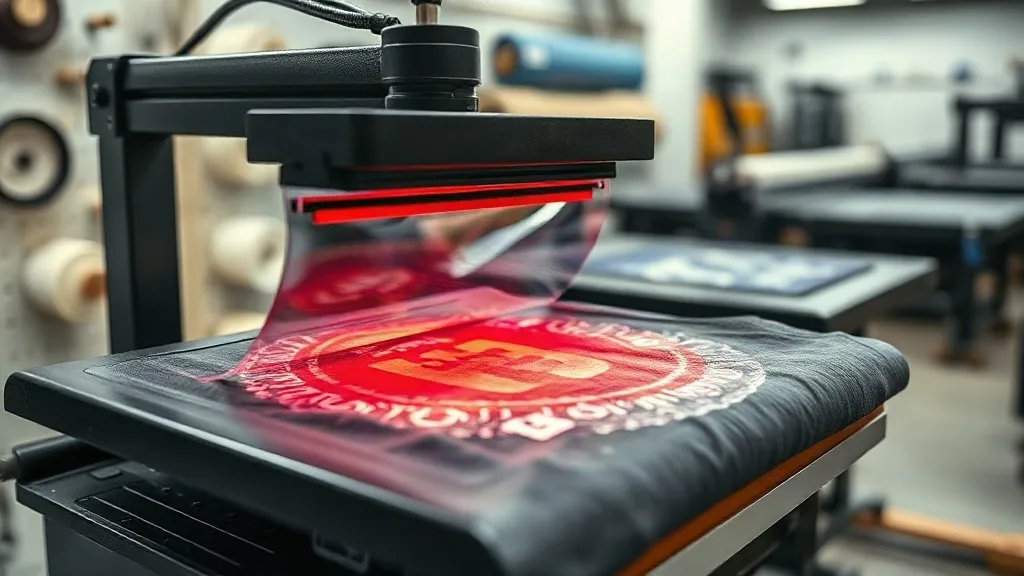
At its core, DTF printing involves printing your design onto a special film, applying a powder adhesive, and then heat-pressing the film onto the fabric. The adhesive melts and fuses with the fibers, while the ink layer sits on top. This process offers several advantages for blended materials:
- Low-temperature application: DTF transfers typically press at around 300–320°F (150–160°C), which is gentler on polyester and blends than the higher temps needed for some other methods. This reduces the risk of dye migration and fabric damage.
- Stretch and recovery: The film and adhesive are flexible, so prints stretch with the fabric without cracking or peeling. This is a game-changer for tri-blends and performance wear.
- Excellent adhesion on synthetics: The powder adhesive bonds well to polyester and other synthetic fibers, unlike some vinyls that require a special low-temperature version and still may not hold.
- No pre-treatment needed: Unlike DTG, DTF doesn't require pre-treating the garment, saving time and avoiding uneven application that can affect print quality.
These factors make dtf transfers a reliable choice for the fabrics that often cause reject rates to spike. But to get the most out of the process, you need to dial in your technique.
Practical Tips for Perfect DTF Prints on Blended Fabrics
Even though DTF is forgiving, a few best practices will help you achieve consistent, professional results on tricky blends.
1. Choose the Right Film and Powder
Not all DTF films are created equal. For blended fabrics, look for films designed for stretch and low-temperature application. Also, use a high-quality adhesive powder that's formulated for synthetics; it will provide a stronger bond and better wash durability. Cheap powder can lead to cracking or incomplete adhesion, especially on stretchy materials.
2. Control Moisture and Static
Blended fabrics, particularly polyester, tend to hold static and moisture. Before pressing, give the garment a quick press for a few seconds to remove wrinkles and moisture. This step also helps the film adhere evenly. Avoid over-pressing, which can cause the fabric to shine or scorch.
3. Dial In Your Press Settings
Temperature, pressure, and time are critical. For most blends, start with 310°F (155°C), medium pressure, and 10–15 seconds. But always test on a scrap piece of the actual fabric you're using, because different blends behave differently. A tri-blend with high rayon content may need slightly lower temperature, while a 50/50 poly-cotton might need a bit more pressure to ensure full contact.
4. Peel Carefully
After pressing, let the garment cool completely before peeling the film. Peeling while hot can distort the print or cause the adhesive to string. A cold peel also gives you a better sense of how the transfer will look after washing.
5. Post-Press for Durability
For extra wash resistance, you can do a second press with a Teflon sheet or parchment paper for 5–10 seconds. This further embeds the adhesive into the fibers. It's especially useful for garments that will see heavy use, like team jerseys or workwear.
Common Pitfalls and How to Avoid Them
Even with the right settings, some issues can pop up. Here are a few common problems and their fixes:
- Print peeling after wash: Usually caused by insufficient pressure or too low a temperature. Increase pressure slightly and ensure the press is properly calibrated. Also, make sure the fabric is clean and dry before pressing.
- Dull or faded colors: This can happen if the film is overheated during the transfer, causing the ink to degrade. Stick to the recommended temperature and avoid pressing for too long.
- Adhesive residue on the press: Use a cover sheet and clean your press platen regularly. Residue can transfer to subsequent garments and affect adhesion.
- Stiff hand feel: While DTF is generally soft, using too much powder or over-pressing can make the print feel rubbery. Use a fine powder and apply it sparingly, shaking off excess before curing.
By addressing these issues early, you'll reduce waste and keep your customers happy.
Why DTF Is a Smart Addition to Your Shop's Offerings
Beyond solving the blended fabric problem, dtf transfers open up new business opportunities. They allow you to take on jobs you might have turned down before: full-color designs on tri-blends, small runs without screen setup costs, and even one-off custom pieces. The process is also efficient for gang sheets, where you can arrange multiple designs on a single film to maximize material usage and reduce waste. This flexibility means you can offer competitive pricing while maintaining healthy margins.
Moreover, DTF transfers are ideal for e-commerce and on-demand printing because you can print and press as orders come in, avoiding inventory of pre-printed shirts. That's a significant advantage for shops looking to scale without tying up cash in stock.
Frequently Asked Questions
Can DTF transfers be used on 100% polyester fabrics?
Yes, DTF works well on 100% polyester, but you need to be mindful of dye migration. Use a low-temperature powder and press at the lower end of the recommended range. Also, pre-press the garment to remove moisture, and consider using a barrier film if you're working with dark or brightly dyed polyester.
How do DTF prints hold up after repeated washing?
When applied correctly, DTF prints are highly durable. They can withstand 50+ wash cycles without significant fading or cracking. To maximize longevity, turn the garment inside out before washing, use cold water, and avoid harsh detergents. Tumble dry on low or hang dry.
Do I need a special heat press for DTF?
Any heat press capable of maintaining consistent temperature and pressure will work. However, a press with a digital controller and even pressure distribution is recommended for best results. You don't need a DTF-specific press, but you do need to calibrate it properly.
What's the difference between DTF and DTG on blended fabrics?
DTG requires pre-treatment and often struggles with high-polyester blends because the ink may not bond well. DTF uses an adhesive film that bonds to a wider range of fabrics, including synthetics, and doesn't require pre-treatment. DTF also produces more vibrant colors on dark garments without a white underbase.
Can I use DTF transfers on stretchy fabrics like spandex?
Yes, DTF is excellent for stretchy fabrics because the film is flexible. However, for high-stretch materials like spandex, you may need to use a stretch-specific film and ensure the design doesn't have large solid areas that could restrict movement. Always test on a sample first.
Blended fabrics don't have to be a source of frustration. With dtf transfers, you can deliver vibrant, durable prints on the materials your customers love, without the usual compromises. Whether you're a small shop or a growing operation, adding DTF to your capabilities can set you apart and keep clients coming back.