
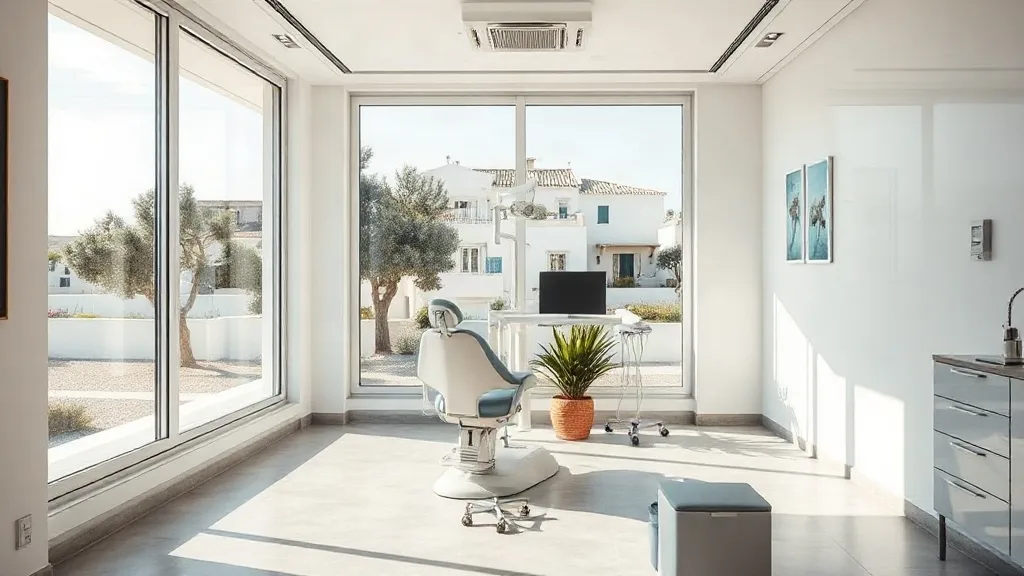
Most people arrive in Bodrum thinking about sea views and long dinners, not about dental chairs. Yet every summer, a steady stream of visitors quietly books a check-up between beach days, and some of them end up solving a problem they had been putting off for years. If you are searching for a gumbet dentist, the chances are you fall into one of two groups: you live nearby and want a reliable local clinic, or you are travelling and wondering whether treatment here makes sense. This guide speaks to both, with the kind of detail you only pick up after sitting in these waiting rooms yourself.
Why Gumbet Became a Dental Destination
Gumbet sits just a short dolmus ride from Bodrum centre, which means it combines holiday infrastructure with genuine year-round residency. That mix matters for dental care. A clinic that only serves tourists for three months cannot build the same continuity as one that also treats local families through the winter. When you walk into a practice here, you will often see the same receptionist who handled bookings in January still answering questions in July.
The practical upside for visitors is straightforward. Appointments are usually easy to arrange at short notice, English is widely spoken, and prices tend to sit below what you would pay in the UK or much of Western Europe. The less obvious upside is that many clinics have invested in modern equipment precisely because they compete with each other in a small area. Digital X-rays, intraoral cameras and same-day crowns are not unusual.
What a First Visit Usually Looks Like
A typical initial consultation runs between thirty and forty-five minutes. Expect a visual examination, a conversation about your history, and often a panoramic X-ray if you have not had one recently. Good clinics will show you the images on a screen and point to what they are describing. If someone recommends a treatment without letting you see the problem, treat that as a signal to ask more questions or walk away.
You should leave that first appointment with three things: a clear diagnosis, a written treatment plan with prices, and an honest sense of how many visits it will take. Any clinic that cannot give you all three in writing is not ready for your money.
Gumbet or Bitez: Does Location Actually Matter?
It does, but less than you might think. The two resorts are close enough that a bitez dentist is a realistic option even if you are staying in Gumbet, and the reverse is equally true. What changes is the pace and the atmosphere. Bitez is quieter, greener and more residential, and clinics there often feel calmer with longer appointment slots. Gumbet is busier and more walkable from the main hotel strip.
My advice, having watched people choose badly on this exact question: pick the clinic, not the postcode. A fifteen-minute taxi ride to a practice that communicates well is worth far more than a five-minute walk to one that does not. Ask about emergency contact procedures before you commit. Dental problems have a habit of appearing on a Sunday evening, and you want to know who answers the phone.
Questions Worth Asking Before You Book
- Who performs the treatment, and what is their specific experience with this procedure?
- Are materials included in the quoted price, or billed separately?
- What happens if something goes wrong after you fly home?
- Is there a written guarantee, and how long does it last?
- Can you speak to a previous patient with a similar case?
That last one is not as awkward as it sounds. Reputable clinics keep testimonials and are usually happy to share them. Reluctance to provide any reference at all is informative in itself.
Treatments People Most Often Combine With a Holiday
Not every procedure suits a short trip. A single filling or a hygiene appointment fits neatly into a few days. Implants and full smile makeovers need more planning, because healing takes time and you may need to return. Here is how the common options tend to play out.
Cleaning, Fillings and Check-Ups
These are the easiest to slot in. A scale and polish takes under an hour, composite fillings are often completed in a single sitting, and you can be back on the beach the same afternoon. If you have been delaying a check-up because of cost or waiting lists at home, this is the lowest-risk way to use a trip.
Veneers and Crowns
Veneers usually require at least two visits separated by several days, since the laboratory needs time to produce them. Some clinics offer faster turnaround with in-house labs, but do not let speed alone decide it. Ask what material is being used and how the shade will be matched. A rushed shade match is the most common reason people end up unhappy with the result.
Implants
An implant involves surgery, a healing period of several months, and then the final crown. That means two trips, or one trip plus a follow-up with a dentist at home. Be sceptical of anyone promising a complete implant in a week. Biology does not work that way, and shortcuts tend to fail later when you are no longer in the country.
How to Plan Your Trip Around Appointments
The single biggest mistake visitors make is booking flights before confirming the clinical schedule. Work backwards instead. Ask the clinic how many visits your case needs, add a buffer day for anything unexpected, and only then book. If your treatment involves healing, ask specifically how long you should stay before flying, since air travel too soon after certain procedures is not advisable.
Also think about timing within your trip. Scheduling dental work on your first morning means any soreness overlaps with your holiday. Many people prefer to have treatment early in the trip so that a follow-up check can happen before departure, but leave a day or two of rest afterwards rather than planning a boat trip the same afternoon.
Documents and Practical Details
Bring any recent X-rays or treatment records you have. It saves money and reduces unnecessary radiation. Keep your treatment plan and receipts in one folder, both for your own records and for any insurance claim back home. Check with your insurer before travelling, because most policies treat elective dental work differently from emergency care.
What Quality Care Actually Feels Like
You can judge a clinic within ten minutes of arriving, and none of the signals require dental knowledge. Clean surfaces, instruments taken from sealed packaging in front of you, staff who introduce themselves, and a dentist who asks about your medical history before touching anything. Sterilisation should be visible rather than described. If you ask how instruments are cleaned and get a vague answer, that is your answer.
Communication matters just as much. A good dentist explains what they are doing while they do it and stops if you raise a hand. They tell you when a treatment is not necessary. They are comfortable saying they do not know something and will find out. These habits are what separate a clinic you would recommend to a friend from one you would quietly warn them about.
Frequently Asked Questions
Is it safe to see a dentist in Gumbet as a tourist?
Yes, provided you choose carefully. Turkish dental clinics are regulated, and many are modern and well equipped. The key is to verify qualifications, ask about sterilisation practices, and insist on a written treatment plan before any work begins. Avoid anyone who pressures you into same-day decisions.
How far in advance should I book an appointment?
In peak summer, a week or two ahead is sensible for routine appointments. For more complex treatment involving laboratory work, allow a month if you can. Walk-in availability exists but is unpredictable, especially in July and August.
Can I get treatment in Gumbet if I am staying in Bitez?
Absolutely. The two are only a short drive apart, and many visitors cross between them for appointments. Choose based on the clinic's reputation and how well they communicate rather than the distance on a map.
What should I do if I have a dental emergency on holiday?
Contact your chosen clinic first, even outside normal hours, and ask about their emergency arrangements. For severe pain or swelling, do not wait. Most practices keep slots open for urgent cases and can usually see you the same day.
Will my home dentist be able to follow up afterwards?
In most cases yes, and it helps to request a short summary of the treatment and any materials used. Bring that document to your next appointment at home so your dentist knows exactly what was done and when.