
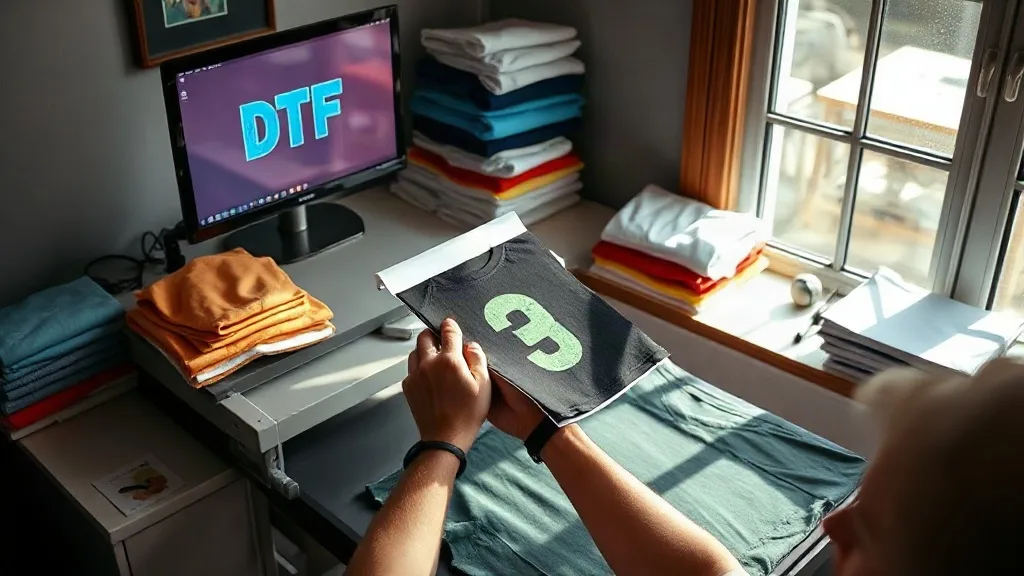
Every print shop owner knows the thrill of landing a new customer. The first order rolls in, you print the dtf transfers, ship them out, and wait. But what happens next? If that customer never returns, you're stuck on a hamster wheel of constant acquisition. The real money, the kind that lets you sleep at night, comes from repeat business. And in the custom apparel world, dtf transfers are one of the most powerful tools for building that loyalty.
I've spent years behind the press, and I've seen firsthand how a single great experience can turn a one-off buyer into a monthly regular. The opposite is also true: one sloppy transfer, one late shipment, and they're gone. This guide isn't about flashy marketing tricks. It's about the nuts and bolts of using dtf transfers to create a customer experience so solid that people can't help but come back.
Why Repeat Business Matters More Than Ever
Acquiring a new customer costs five to seven times more than retaining an existing one. You've probably heard that stat before, but let's make it concrete. Think about the time you spend answering inquiries, creating mockups, and processing first-time orders. Now imagine cutting that effort in half because your existing customers already trust you. They know your quality, they know your turnaround, and they don't need to be sold on every little detail.
Repeat customers also spend more. According to Bain & Company, existing customers are 50% more likely to try new products and spend 31% more compared to new customers. In the print shop world, that means a customer who starts with a small order of dtf transfers for a family reunion might come back for team jerseys, then corporate swag, then a full merchandise line. Each order builds on the last, and your profit margins grow because you're not spending on acquisition.
The Role of DTF Transfers in Customer Retention
DTF transfers have a unique advantage: they're versatile, durable, and work on almost any fabric. That flexibility means you can say yes to more requests, which keeps customers from shopping around. When a customer asks for a print on a blend, a synthetic, or a dark garment, you don't have to send them elsewhere. You can handle it in-house with dtf transfers, and that reliability is what builds trust.
But here's the catch: not all DTF transfers are created equal. If you're sourcing from a supplier who cuts corners, your customers will notice. Faded colors, cracked prints, or transfers that peel after a few washes are the fastest way to lose a repeat buyer. The key is to partner with a reliable dtf transfers near me provider that prioritizes quality and consistency.
Quality That Speaks for Itself
When a customer receives a shirt with a vibrant, soft-hand print that survives dozens of washes, they remember. They might not know the term dtf transfers, but they know the shirt feels good and looks professional. That positive association transfers to your brand. I've had customers come back specifically because they washed a shirt fifty times and the print still looked new. That's the kind of story that spreads.
Consistency Across Orders
Repeat business hinges on predictability. If a customer orders the same design six months later, they expect the same colors and the same feel. With dtf transfers, consistency is achievable, but only if you stick with a trusted supplier and maintain your equipment. Keep a log of your press settings and transfer batches so you can replicate results. Customers notice when the second order matches the first perfectly, and that reliability is a huge reason they stick around.
Practical Strategies to Turn First-Time Buyers into Regulars
You've got the quality part down. Now let's talk about the actions that nudge a customer from one-time purchase to lifelong fan. These aren't gimmicks; they're common-sense practices that too many shops overlook.
- Follow up after delivery. A simple email or text asking if they're happy with their dtf transfers goes a long way. It shows you care and gives them a chance to voice concerns before they fester.
- Offer a loyalty discount. A small percentage off their next order can be the nudge they need. Keep it simple: a punch card or a digital code works fine.
- Remember their preferences. If a customer always orders on a specific blank or prefers a certain finish, jot it down. Next time they order, you can say, "I've got your usual setup ready to go." That personal touch is gold.
- Make reordering effortless. Save their design files and create a quick reorder link. The easier it is to buy again, the more likely they will.
Building a Loyalty Program That Actually Works
Loyalty programs can be powerful, but they can also be a waste of time if they're too complicated. The best programs are simple, transparent, and tied to the value you provide. For a print shop using dtf transfers, here's a framework that works:
- Set a clear goal. Decide what behavior you want to reward. Is it frequency (e.g., every fifth order gets a discount) or volume (e.g., spend $500, get a free transfer sheet)? Pick one and stick with it.
- Communicate the benefits. Don't hide your program in the fine print. Tell customers at checkout and include a reminder in their package.
- Make it easy to track. Use a simple spreadsheet or a lightweight CRM. If customers have to ask you to check their points, it's too much work.
- Deliver the reward promptly. Nothing kills loyalty faster than a promised discount that never materializes. Automate it if you can.
One shop I know offers a free dtf transfers sheet after every ten orders. It's simple, and customers love it because they can see the progress. The shop owner told me it increased repeat orders by 40% in six months.
Common Pitfalls That Drive Customers Away
Even with the best intentions, some habits can sabotage your retention efforts. Watch out for these:
- Inconsistent quality. If your transfers vary from order to order, customers lose trust. Stick with a reliable supplier and maintain your equipment.
- Slow turnaround. In the age of Amazon, customers expect speed. If you're consistently late, they'll find someone else.
- Poor communication. Not answering emails or failing to update customers on delays is a surefire way to lose them.
- Ignoring feedback. If a customer complains about a print, fix it. Don't argue. A resolved complaint can turn a detractor into a promoter.
Leveraging DTF Transfers for Seasonal and Event-Driven Repeat Business
Seasonal demand is a huge opportunity for repeat business. Think about it: the same customer who orders team shirts in the fall might need holiday gifts in December, then spring event apparel, then summer camp gear. If you can stay top-of-mind, you become their go-to shop. Use dtf transfers to offer quick-turnaround seasonal specials. Send a friendly email in early November reminding customers about holiday deadlines. When they order, include a small thank-you note with a discount for their next seasonal order. That cycle repeats year after year.
Frequently Asked Questions
How can I ensure my DTF transfers are consistent enough to build repeat business?
Consistency starts with sourcing. Choose a supplier that provides detailed batch information and stick with them. Keep a log of your press settings (temperature, pressure, time) and use the same blanks for repeat orders. Regularly check your equipment and replace worn parts. When you find a winning combination, document it so you can replicate it every time.
What's the best way to ask for feedback without being annoying?
Timing is key. Send a short, friendly email a few days after delivery. Keep it to one or two questions, like "How did the transfers work for you?" and "Is there anything we can improve?" Don't pester them if they don't respond. The goal is to show you care, not to hound them.
How do I handle a customer who had a bad experience with a previous order?
Own it. Apologize sincerely, offer a replacement or refund, and explain what you've changed to prevent it from happening again. If you can, throw in a small discount on their next order as a goodwill gesture. Most customers appreciate honesty and will give you a second chance if you handle it well.
Can I use DTF transfers for small orders, or is it only for bulk?
DTF transfers are actually ideal for small orders because there's no minimum. You can print one-off designs without setup fees, which makes it easy for customers to test new ideas. That flexibility encourages repeat business because customers can order exactly what they need, when they need it.
What's a realistic timeline for seeing results from a loyalty program?
It depends on your customer base and how often they order. For shops with frequent buyers, you might see results in a couple of months. For seasonal businesses, it could take a full cycle. The key is to promote the program consistently and make it easy to participate. Don't expect overnight miracles, but if you stick with it, the payoff is worth it.