
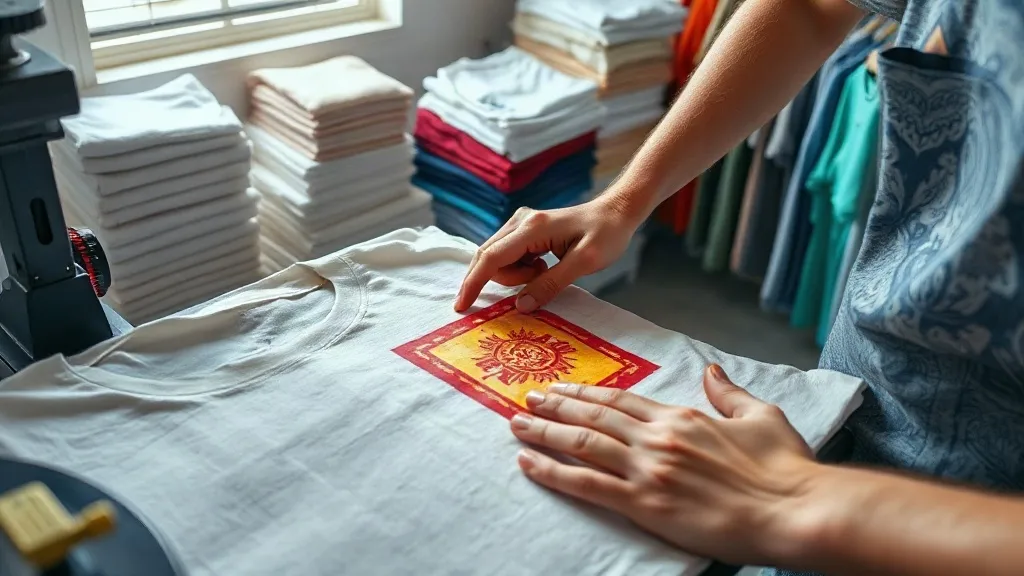
You've probably seen it: a DTF print that looks crisp and vibrant on one shirt, but washed out, cracked, or stiff on another. The transfer itself might be fine. The fabric is often the culprit. After years of pressing dtf transfers onto everything from budget blanks to premium ring-spun cotton, I've learned that fabric selection is the silent decision that makes or breaks a print. This guide is about that decision. No fluff, just the practical stuff I wish someone had told me earlier.
Why Fabric Matters More Than You Think
DTF (Direct to Film) dtf printing is versatile. It adheres to cotton, polyester, blends, and even some synthetics. But "adheres" and "looks good and lasts" are different things. The fabric's weave, fiber content, and finish affect how the adhesive powder bonds, how the ink sits, and how the print feels and ages.
For example, a 100% cotton tee with a tight knit gives a smooth surface where the transfer can bond evenly. A loose-knit or slub fabric can create tiny hills and valleys that lead to uneven adhesion. Polyester blends can be trickier because the plastic in the fabric and the plastic in the transfer can behave differently under heat. And don't get me started on fabric softeners or stain-resistant finishes. They can leave a residue that stops the adhesive from sticking properly.
So before you blame the transfer or your press, check the fabric. It's the foundation.
How to Evaluate a Blank for DTF
Not all blanks are created equal, and the cheapest option isn't always the most cost-effective. Here's what I look for when testing a new shirt for DTF.
1. Fiber Content
Cotton is the most forgiving. It handles heat well, and the transfer bonds strongly. Polyester can work, but you need to lower the press temperature to avoid scorching or dye migration. Blends (like 50/50) are a middle ground, but the ratio matters: more polyester means more careful temperature control. If you're printing on dark polyester, watch out for dye sublimation, where the fabric's dye can bleed into the transfer over time. A lower-temperature transfer or a blocker layer helps.
2. Weave and Surface
A smooth, tight weave is your friend. Ringspun cotton, combed cotton, and fine jersey knits give a flat surface that lets the transfer sit flush. Looser knits, slubs, or heavy textures (like thermal or waffle) can cause the transfer to bridge across gaps, leading to cracking. If you love a textured shirt, test it first. Sometimes a slightly thicker transfer or a second press helps, but often it's not worth the risk.
3. Weight and Thickness
Lightweight shirts (under 4 oz) can be tricky because they're thin and heat-sensitive. You might need a lower temperature and a pressing pillow to avoid creases. Midweight (4.5–5.5 oz) is the sweet spot for most DTF work. Heavyweight (6 oz+) is durable but takes longer to heat up, so adjust your press time.
4. Color and Dye
Light colors are easy. Dark colors require a white ink layer in the transfer, which is standard for DTF. But some dyes, especially cheap sulfur dyes on black or navy, can migrate into the transfer when heated. If you're printing on dark blanks, do a wash test. A transfer that looks great out of the press might turn muddy after a few washes if the dye bleeds. Stick with reputable blank brands that use quality dyes.
5. Finishes and Treatments
Fabric softeners, anti-pill finishes, and moisture-wicking treatments can leave a coating that prevents proper adhesion. If a shirt feels slippery or has a sheen, it might have a finish. Pre-wash the blank (without softener) or choose blanks that are known to be DTF-friendly. Many suppliers now label their blanks as suitable for DTF, but always test.
Best Fabric Types for DTF Transfers
Based on my experience, here's a quick rundown:
- 100% Cotton (ringsun or combed): The gold standard. Soft, takes heat well, holds color, and the print feels like part of the shirt after washing.
- Cotton/Poly Blends (50/50 or 60/40): Good for durability and cost. Slightly more care needed with temperature, but generally reliable.
- 100% Polyester (performance wear): Works, but requires lower temps and careful testing for dye migration. Great for sportswear if done right.
- Tri-blends: Can be hit or miss due to the rayon content, which can be heat-sensitive. Test first; some tri-blends print beautifully, others not so much.
- Canvas and heavy cotton: Good for totes and heavy tees, but the texture can be an issue. Use a higher pressure and maybe a longer press.
Avoid fabrics with high spandex content (over 5%) unless you're experienced, as the stretch can cause the transfer to crack. Also, steer clear of heavily textured fabrics like ribbed knits or terry cloth for detailed designs.
Testing Protocol: How I Vet a New Blank
Before I commit to a new blank for client orders, I run a simple test. It takes a few days but saves headaches.
- Print a test transfer with a design that has fine details and a solid color block. This shows how well the transfer conforms to the fabric.
- Press according to the transfer supplier's recommendations, but also try a slightly lower temperature if the fabric is heat-sensitive.
- Check adhesion after cooling: gently try to peel a corner. It should be stuck fast.
- Wash test: Wash the shirt inside out in cold water, tumble dry low, and repeat three times. Check for cracking, fading, or peeling.
- Stretch test: Gently stretch the printed area. If the print cracks, the fabric might be too stretchy or the transfer didn't bond well.
I also note how the print feels. A good DTF print on quality cotton should feel soft and flexible, not like a plastic patch.
Common Fabric-Related Problems and Fixes
Even with good blanks, things can go wrong. Here are a few issues I've encountered and how I handle them.
Print Peeling After Wash
Usually caused by insufficient pressure, incorrect temperature, or fabric finish. Try increasing pressure, checking your press temperature with an infrared gun, and pre-washing the blank to remove finishes.
Cracking on Stretch Fabrics
If the fabric has stretch, the transfer needs to stretch with it. Use a transfer with a flexible adhesive and press at a slightly lower temperature for a longer time to allow the adhesive to penetrate without over-curing. Also, consider a design with less solid coverage.
Color Fading or Dye Migration
On dark polyester, use a low-bleed transfer or a dye blocker. Lower the press temperature and shorten the time. Always test with the actual fabric before a big order.
Stiff or Rubbery Feel
This often happens on tightly woven fabrics when the transfer is too thick or the press pressure is too high, forcing adhesive into the fabric. Try a thinner transfer or reduce pressure. Also, some fabrics just feel stiffer with DTF; a softer, ringspun cotton gives a better hand feel.
Choosing Blanks for Your Market
Your fabric choice also depends on your customer. If you're selling to people who want a soft, vintage feel, go for combed ringspun cotton or tri-blends (tested). For workwear or promotional tees where durability matters more than softness, a 50/50 blend or heavier cotton works well. For sportswear, polyester is necessary, but you'll need to master low-temperature pressing.
And if you're asked about dtf transfers near me, it's worth explaining that local suppliers often carry blanks that are proven for DTF. Building a relationship with a local rep can get you samples to test before you commit.
Frequently Asked Questions
Can I use DTF transfers on 100% polyester shirts?
Yes, but you need to press at a lower temperature (around 280–300°F) and use a low-bleed transfer to prevent dye migration. Always test wash a sample first.
What's the best fabric weight for DTF printing?
Midweight fabrics (4.5–5.5 oz) are generally the most forgiving. They're thick enough to handle heat without scorching but not so heavy that they require extended press times.
How do I prevent cracking on stretchy fabrics?
Use a transfer with a flexible adhesive, press at a slightly lower temperature for a longer time, and avoid designs with large solid areas. Also, consider a fabric with less spandex content.
Do I need to pre-wash blanks before DTF printing?
It's not always necessary, but if the fabric has a finish or feels slick, a pre-wash without softener can improve adhesion. Always test a sample first.
Why does my DTF print feel stiff on some shirts?
Stiffness can come from too much pressure during pressing, a thick transfer, or a tight weave fabric. Try reducing pressure and using a softer, ringspun cotton blank.
Fabric selection is one of those behind-the-scenes decisions that separates a print shop that struggles with complaints from one that consistently delivers. Take the time to test, and don't be afraid to reject a blank that doesn't perform, no matter how cheap it is. Your customers will notice the difference, and your reputation will thank you.