
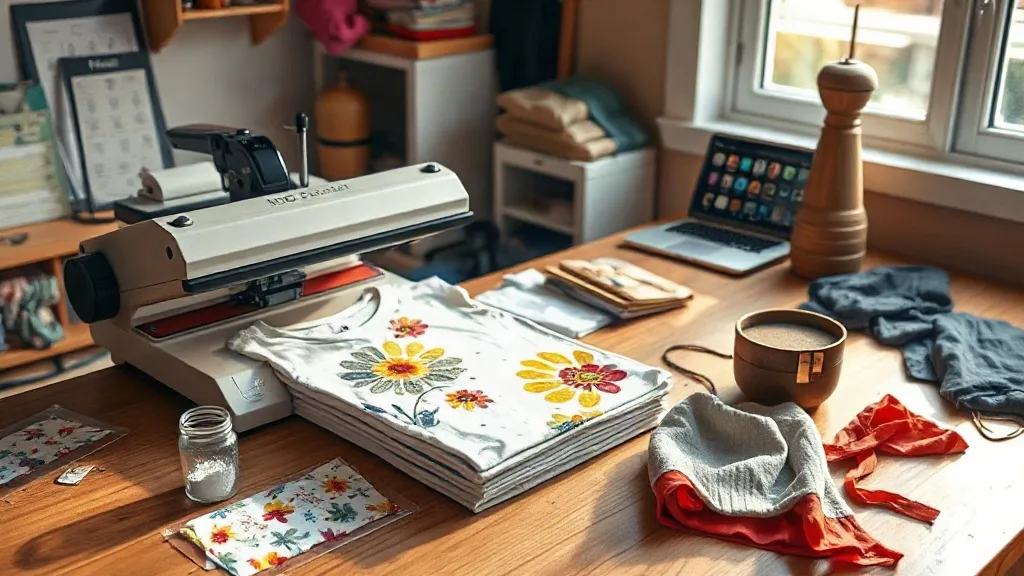
Walk into any local print shop or craft market and you will notice something: the colors on the t-shirts look richer, the details sharper, and the designs more ambitious than they did a few years ago. A big reason is dtf transfers, a printing method that has quietly become the go-to option for small businesses, side hustles, and hobbyists who want professional-looking results without a warehouse of equipment. If you have been curious about trying it, or you already own a heat press and want to get better results, this guide covers the practical side of DTF printing from someone who has spent plenty of afternoons peeling film and troubleshooting wrinkled prints.
What DTF Printing Actually Is
DTF stands for direct-to-film. Instead of printing directly onto a shirt, a printer lays your design onto a special film, dusts it with a powder adhesive while the ink is still wet, and cures it under heat. The result is a flexible transfer sheet you can store, ship, or press onto fabric whenever you need it. The dtf process separates printing from pressing, which is the detail that makes it so useful for small operations. You can print a batch of designs on Monday and press them onto garments on Friday without worrying about ink drying out or screens degrading.
The other advantage is fabric flexibility. Because the adhesive bonds to the fibers rather than sitting on top like a rigid plastic layer, DTF works on cotton, polyester, blends, canvas, and even some nylon jackets. That range is why so many people searching for dtf transfers near me end up choosing it over vinyl or screen printing for mixed orders. One method, many materials, fewer headaches.
How the Process Works Step by Step
1. Design and Print
Your artwork is printed onto PET film in mirror image using pigment inks. Most modern DTF printers handle full color, gradients, and fine linework without the color separation work that screen printing demands. If you are designing at home, keep your file at 300 DPI and leave a small margin around the edges so the powder has room to grab.
2. Powder and Cure
While the ink is tacky, adhesive powder is applied across the film. Excess powder is shaken off, and the sheet goes under a heat source to melt the powder into the ink. This is the step that determines durability. Under-cured transfers crack and flake; over-cured ones curl and refuse to peel cleanly. Reputable suppliers handle this in a temperature-controlled setup, which is a good reason to buy ready-made transfers rather than cure your own if you are just starting out.
3. Press Onto the Garment
Pressing is where most beginners run into trouble. The general routine looks like this:
- Pre-press the garment for a few seconds to remove moisture and wrinkles.
- Place the transfer with the printed side facing up.
- Press at roughly 150 to 160 degrees Celsius for 10 to 15 seconds with medium to firm pressure.
- Let the sheet cool completely before peeling. Warm peel works for some films, but cold peel is safer until you know your supplier's film.
- Cover with a protective sheet or parchment and press again for a few seconds to lock the adhesive into the fibers.
Those numbers are a starting point, not gospel. Every film brand behaves a little differently, so run a test press on a scrap shirt before committing to a full order.
Why Small Shops Keep Choosing DTF
Cost per unit is the obvious draw, but the real appeal is workflow. There is no setup fee per color, no screen reclaiming, and no minimum order for most suppliers. A one-off birthday shirt costs about the same to produce as the hundredth shirt in a batch. Storage is simple too, since transfer sheets stack flat in a drawer and keep for months if you keep them dry and out of direct sunlight.
For anyone selling at markets or running an online store, that flexibility changes what is possible. You can offer personalization, take last-minute orders, and test new designs without committing to inventory. The learning curve is real, but it is measured in afternoons rather than months.
Common Mistakes and How to Avoid Them
Pressing Too Hot or Too Long
Scorched fabric and melted film are the two most common casualties. If your transfer edges look shiny or the garment has a visible press mark, drop the temperature by 10 degrees and try again on a test piece.
Peeling While Still Warm
Patience matters here. Peeling a hot transfer can stretch the design or pull adhesive away from the fabric. Wait until the sheet is cool to the touch, then peel in one smooth motion from a corner.
Skipping the Pre-Press
Moisture trapped in cotton turns to steam under the heat press and pushes the adhesive away from the fibers. A five-second pre-press solves this and costs you nothing.
Buying on Price Alone
Cheap film often means thin adhesive coverage, which shows up as faded prints after a handful of washes. Ask suppliers about wash test results and request a sample before placing a bulk order.
How to Choose a Reliable Supplier
A good supplier answers questions clearly and does not dodge the technical ones. Ask about the film brand they use, the recommended press settings, and how they store finished transfers before shipping. If you are ordering online, check that sheets arrive flat rather than rolled, since creases in the film can transfer onto the print. Reviews that mention wash durability after twenty or thirty cycles are worth more than any product page claim.
For anyone running a shop, building a relationship with one dependable source beats chasing the lowest price every month. Consistent film means consistent settings, and consistent settings mean fewer ruined garments.
Caring for Printed Garments
Tell your customers to wash inside out in cold water and skip the fabric softener, which leaves a residue that can dull the print over time. Tumble drying on low heat is fine, but hanging to dry extends the life of any transfer. Avoid ironing directly over the design; if you must iron, do it from the reverse side with a cloth barrier. Following those basics, a well-pressed DTF print holds its color through dozens of washes.
Frequently Asked Questions
Can I apply DTF transfers without a heat press?
A home iron can work for small one-off projects, but the results are inconsistent. You need firm, even pressure across the entire design, and irons rarely deliver that. For anything you plan to sell, a basic clamshell press is worth the investment.
How long do unused DTF transfers last?
Stored flat in a cool, dry place away from sunlight, most transfers stay usable for six to twelve months. Humidity is the main enemy, so keep them in a sealed bag if you live somewhere damp.
Do DTF prints feel stiff on the shirt?
A properly pressed DTF print has a soft, slightly raised feel. Large solid blocks of color will always feel a bit more substantial than fine linework, but it is far more flexible than traditional plastisol or vinyl.
Can I print on dark and light fabrics with the same transfer?
Yes. Unlike some methods that need a white underbase or separate films for different fabric colors, DTF includes a white ink layer that makes the same transfer work across light, dark, and colored garments.
What is the minimum order for custom DTF transfers?
Many suppliers now offer single-sheet orders, which is one of the reasons the method suits small shops so well. You can order one design or fifty without a setup fee per color.