
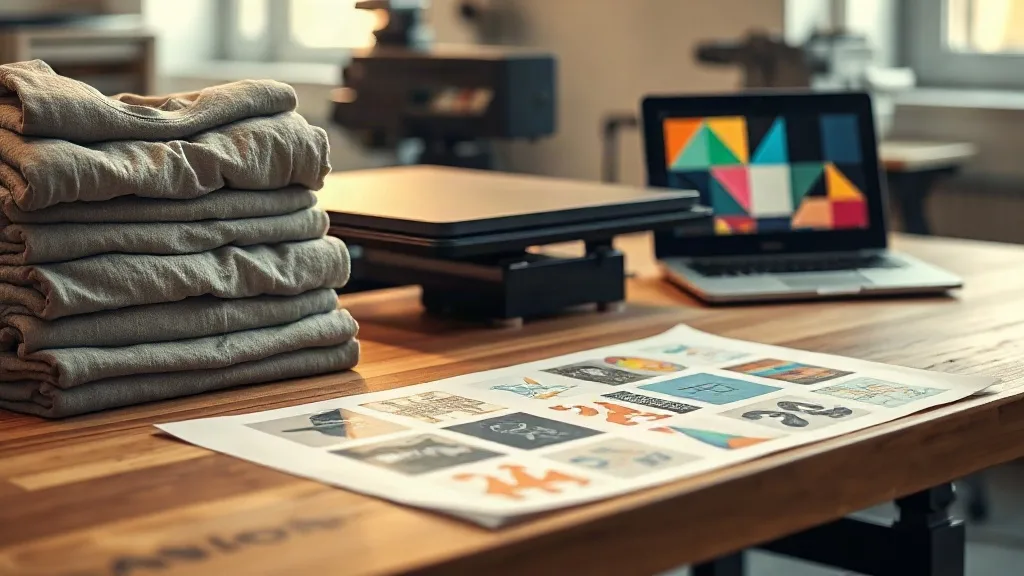
Walk into any small print shop on a busy Friday and you will see the same scene: a stack of blank tees waiting on the table, a laptop open to an order queue, and someone squinting at a print file trying to squeeze one more logo onto a sheet. The shops that get through that day without chaos usually have two things figured out. They know which blanks behave well under heat and wear, and they plan their transfers before they hit print. That is where shaka wear blanks and a DTF Gangsheet Builder start to make sense together.
This is not a pitch about buying more gear. It is a walkthrough of how blank selection and gangsheet planning affect each other, based on how small and mid-sized shops actually operate. If you print shirts for local teams, cafes, or online drops, the decisions below will sound familiar.
Why Blank Choice Comes Before Print Choice
Most printing problems that get blamed on the transfer start with the shirt. A DTF transfer is only as good as the surface it lands on. Fabric weave, weight, and fiber content all change how the adhesive bonds, how the ink sits, and how the print survives a wash cycle.
Heavy cotton holds a transfer well because the surface is stable and the fibers do not shift much under the press. Lighter blends can be trickier. Polyester blends, especially those with a high synthetic ratio, are prone to dye migration, where the shirt's color creeps into the transfer over time, particularly with darker garments. Knowing this before you order blanks saves a lot of reprints.
What Shaka Wear Blanks Bring to the Table
shaka wear has built a following among streetwear and workwear printers for a few practical reasons. The line leans toward heavier cotton constructions, boxy and relaxed fits, and a consistent cut across sizes. For a print shop, consistency matters more than any single feature. When a size medium from one batch fits like the medium from the last batch, you can quote a job, print it, and not worry about a customer complaining that the fit changed.
The heavier weights also tend to handle heat press temperatures without scorching or excessive shrinkage. That does not mean you skip a test press. It means the margin for error is wider, which is exactly what you want when a rush order lands at 4 pm.
There is also a style consideration. Boxy, dropped-shoulder cuts photograph well, and they suit the oversized look that many younger buyers ask for. If your customers are ordering hoodies and tees for a brand drop rather than a corporate event, the silhouette matters as much as the print quality.
What a DTF Gangsheet Builder Actually Does
A gangsheet is a single sheet of transfer film with multiple designs arranged on it. Instead of printing one small logo on one sheet and wasting most of the film, you nest several jobs together and print them in one pass. The DTF Gangsheet Builder is the tool that handles that arrangement, usually through a browser interface where you upload artwork, set dimensions, and drag pieces into place.
The value is not just saving film. It is scheduling. If you know three orders are due Thursday, you can build one sheet that covers all three, print it once, and cut it apart. That turns three separate print runs into one, which matters when your printer is the bottleneck.
The Practical Gains
- Less film waste, because empty space gets filled with small jobs like sleeve prints or neck labels.
- Fewer printer cycles, which extends the life of the printhead and cuts powder consumption.
- Simpler cutting and pressing, since everything for a given day can be grouped on one sheet.
- Better cost tracking, because you can see exactly how much film a batch of orders consumed.
Shops that track their numbers usually find that film waste is one of the quiet costs that eats into margin. A gangsheet does not eliminate it, but it makes the waste visible and gives you a way to reduce it deliberately.
Matching the Blank to the Gangsheet Plan
Here is where the two topics connect. The blank you choose affects how you should lay out the sheet. A few working rules from shops that print regularly:
- Group by fabric type. Transfers pressed onto heavy cotton and transfers pressed onto polyester blends may need different press settings. Keeping them on separate sheets, or at least clearly labeled, avoids mix-ups at the press.
- Leave room for cut lines. Tight nesting saves film but leaves no room for the knife. A small gap around each design keeps cutting clean.
- Account for shrinkage. If a blank is known to shrink, size the print with that in mind, especially on all-over or large chest placements.
- Test one transfer before committing the whole sheet. A single test press on the actual blank tells you more than any spec sheet.
None of this is exotic. It is the kind of routine that separates a shop that hits its deadlines from one that is always reprinting.
A Realistic Workflow From Order to Press
Picture a shop taking an order for 40 tees for a local football club, plus 20 hoodies for a cafe's winter staff. The tees are heavy cotton in a relaxed fit, and the hoodies are a mid-weight blend. A workable sequence looks like this:
First, confirm the blanks. Check stock on the shaka wear line for the tees, and confirm the hoodie supplier separately. Second, collect artwork and confirm sizes and placements. Third, open the builder and lay out the tee logos on one sheet and the hoodie logos on another, keeping the two fabric types apart. Fourth, print, powder, and cure. Fifth, cut and press, testing one of each fabric type first.
The whole thing runs smoother when the sheet layout happens before the printer warms up. Shops that build the gangsheet the night before tend to start pressing earlier the next morning.
Pricing and Margin Notes
Pricing is where a lot of small shops guess. A simple approach is to cost each job by film area used, plus a small allowance for press time. If a gangsheet uses 60 percent of its area for one client's order, that client carries roughly 60 percent of the film cost. The rest is absorbed by the smaller jobs sharing the sheet.
This is not a perfect accounting method, but it is far better than charging a flat rate per print and hoping the numbers work out. Over a month, the difference shows up clearly.
Common Questions From Print Shops
Is Shaka Wear suitable for DTF printing?
Yes, particularly the heavier cotton styles. The stable surface and tight weave hold transfers well. As with any blank, run a test press first, especially on darker colors where dye migration is a possibility.
How much film does a gangsheet actually save?
It depends on how well you nest. Shops that fill empty space with small jobs often cut film use by a noticeable margin, but the bigger gain is usually time, since fewer print cycles means faster turnaround.
Can I mix different fabric types on one gangsheet?
You can, but it complicates pressing. Different fabrics may need different temperatures and pressures, so mixing them on one sheet means sorting carefully at the cut stage. Many shops keep them separate to avoid errors.
Do I need design software to use a gangsheet builder?
Most builders work in the browser and accept standard file formats like PNG. You upload artwork, set the size, and arrange it on the sheet. No advanced design software is required for basic layouts.
What is the biggest mistake shops make with DTF?
Skipping the test press. A transfer that looks fine on the sheet can behave differently on the actual garment. One test costs a few minutes and often saves a whole batch.
Final Thoughts
Blank selection and gangsheet planning are not glamorous topics, but they decide whether a print shop has a calm week or a stressful one. Choosing blanks that behave predictably, like the heavier cotton styles in the shaka wear range, and planning transfers with a DTF Gangsheet Builder before printing, gives you a workflow you can repeat. That repeatability is what lets a small shop take on more orders without adding staff or equipment.